
new
What is Lymphatic Water Drainage Massage? Benefits clarified
Lymphatic drainage massage is a gentle, restorative method designed to support the body’s natural lymphatic function. Unlike deep cells massage therapy, which works into the muscle mass, lymphatic drainage utilizes light, balanced movements to urge the movement of lymph liquid. This can aid manage swelling and liquid retention while promoting a feeling of relaxation and agility.
So, Just what Is a Lymphatic Drain Massage?
The lymphatic system plays a crucial function in preserving liquid balance and sustaining the body immune system. Unlike the blood circulation system, which uses the heart to pump blood throughout the body, the lymphatic system depends on body movement, muscle activity and various other natural processes to aid lymph fluid distribute.
In some cases, lymph flow can end up being impaired or overwhelmed, especially after surgery, injury, durations of reduced activity, or in specific clinical problems. Lymphatic drain massage therapy uses mild, certain activities to encourage lymph fluid to move via the lymphatic pathways towards the lymph nodes.
How Is It Different From Other Massage therapies?
Lymphatic drainage massage is really various from much deeper massage therapy strategies.
While therapeutic or deep cells massage therapy may make use of firm stress to service muscles, tension and connective tissue, lymphatic water drainage utilizes light stress and sluggish, balanced motions. The function is not to release deep muscular tissue tension but to deal with the surface lymphatic vessels and encourage the all-natural activity of lymph fluid.
The gentle nature of lymphatic drainage makes it specifically fit to situations where handling liquid retention and supporting healing are important.Read about https://massage-in-valencia.com/lymphatic-drainage-massage/ At website
Manual Lymphatic Drain (MLD) is a specialised strategy that calls for an understanding of lymphatic composition and the direction of lymph flow. When performed properly, the therapy focuses on guiding liquid with the body’s natural lymphatic pathways.
Just How Mild Massage Supports the Lymphatic System
It may seem surprising that such a light touch can have an effect on the body, however the concepts behind lymphatic drainage massage are fairly straightforward.
The lymphatic system is made up of a network of vessels and lymph nodes throughout the body. When lymph flow suffers, fluid can gather in the tissues, contributing to swelling, puffiness or a feeling of thickness.
The mild movements made use of during lymphatic water drainage massage are designed to encourage the natural movement of this liquid. The light stress is willful and varies significantly from the deeper stress utilized in traditional massage therapy.
The Science of Gentle Strokes
Unlike massage therapy methods that largely target muscular tissues, lymphatic water drainage concentrates on the skin and surface cells where numerous lymphatic vessels lie.
Handbook Lymphatic Drain makes use of mild, balanced and extending movements throughout the skin. These movements are planned to boost and support the all-natural flow of lymph via the lymphatic system.
The objective isn’t to compel liquid out however to guide it along its natural paths in the direction of the lymph nodes. These nodes are a vital part of the body immune system and help filter lymph as it relocates through the body.
Why Technique Issues More Than Stress
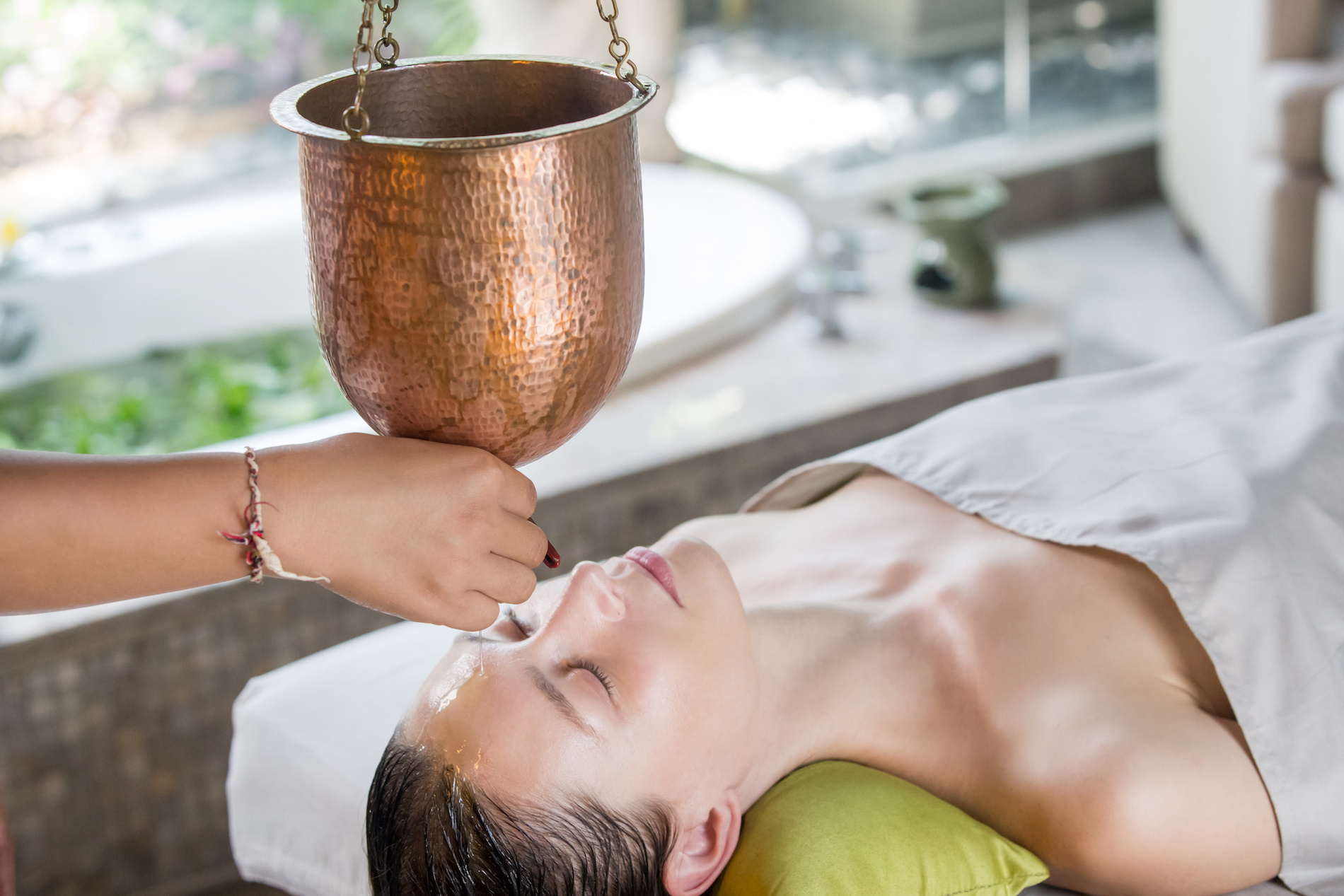
The instructions, sequence and rhythm of the movements are very important parts of lymphatic water drainage massage therapy.
A trained specialist normally functions carefully, beginning with locations closer to the body’s main lymphatic paths before addressing the limbs and other areas. This approach is intended to support the motion of lymph liquid through the system.
Due to the fact that lymphatic water drainage is a specialised strategy, appropriate understanding of lymphatic makeup and proper treatment approaches are very important.
The Genuine Advantages of Lymphatic Water Drainage
Lymphatic drain massage therapy has a different focus from standard massage therapy. Rather than largely targeting muscular tissue stress, it is made to sustain lymphatic circulation and help handle fluid buildup.
Among its most identified applications is aiding to manage swelling and fluid retention. Adhering to particular surgical procedures, as an example, lymphatic paths may be temporarily interfered with, adding to postoperative swelling. Lymphatic methods might sometimes be incorporated into a proper recovery strategy.
Lymphatic drainage is also utilized in the monitoring of problems such as lymphedema, where managing and managing excess liquid can be an integral part of ongoing treatment.
Past Swelling Reduction
The potential benefits of lymphatic drain aren’t limited to fluid management. Because the method entails slow-moving, gentle and rhythmic motions, many individuals locate the treatment deeply relaxing.
- Reduced Puffiness: Gentle lymphatic methods may help in reducing short-lived puffiness connected with fluid build-up.
- Relaxation and Wellness: The slow, balanced nature of the therapy can advertise a sense of calm and leisure.
- A Feeling of Lightness: Some people explain really feeling lighter or less hefty following a treatment, specifically when fluid retention has added to discomfort.
- Support During Healing: In ideal situations, lymphatic drain may be included into a more comprehensive recovery plan adhering to specific treatments or injuries.
It’s important to remember that lymphatic drainage massage is not a substitute for clinical therapy. Inexplicable or persistent swelling need to always be evaluated by a proper health care specialist. People recouping from surgical procedure or managing conditions influencing the lymphatic system ought to also look for specialist assistance before starting treatment.
Ultimately, lymphatic drainage massage is a mild strategy made to collaborate with the body’s natural lymphatic processes. When executed suitably, it can be a valuable part of a wider approach to managing swelling, supporting healing and promoting relaxation.
