
Uncategorized
I Monitored My Gamblerina Casino Sessions for Three Months Canada Data
Canadian online gaming is full of flashy ads and big promises, but you don’t see much honest, personal data from real play. I wanted to know what actually happens when someone plays regularly, not just for one night. So I chose to run my own experiment. For three straight months, I tracked every single time I played at Gamblerina Casino, recording every deposit, spin, win, and loss. I picked Gamblerina because it’s available here in Canada and has a typical mix of games and features. This isn’t an ad. It’s a journal, built from numbers. I logged over ninety days of action to turn my own experience into solid metrics. My goal is to show the real rhythms of online play, to help other Canadian players see what bankroll management actually looks like, spot their own emotional triggers, and understand what they really gain from their time and money.
The Rationale Behind a Three-Month Tracking Project
A quarter felt like the proper duration. A single session is pure luck. A week is still too unpredictable. A full quarter, though, covers different moods, paydays, and impulses. It exposes your real habits. I used only Gamblerina Casino to keep everything consistent. Using different sites would have skewed the data, making game performance or cashout times difficult to compare fairly. For a Canadian player, this meant everything was in Canadian dollars, and any lag or customer service questions came from a domestic connection. My method was straightforward but rigorous. I used a spreadsheet to log the start and end time of each session, the exact games I played, my balance when I started and finished, the total amount I wagered, and the net result. I also wrote down why I was playing each time—things like “bored after work,” “trying to clear the bonus,” or “planned Friday night fun.” Adding that “why” to the “what” helped me spot the patterns behind the numbers.
Cashouts, Incentives, and the True Value of Offers
Handling Gamblerina’s cashier and bonuses provided valuable lessons gamblerina.it.com. I made two withdrawals: one time after the Month One climax, and again at the very conclusion. The process was simple. The first withdrawal required authentication, which is typical KYC procedure for safety in Canada. The pace changed by method. An e-Transfer appeared in my wallet within a day. A bank wire took four business days. My time with the welcome bonus was mixed. The extra funds gave me more playing time, but the 35x wagering requirement on the bonus money determined my game selections for much of Month One. I was confined to particular games to satisfy the term. I tracked my development and realized that even after my big win, a huge portion of that bonus cash got cycled back through the wager requirement before it turned into real money I could cash out. This proved bonuses aren’t free cash. They’re a instrument that lengthens your play and increases your exposure, with complicated terms you need to comprehend thoroughly.
Setting Up the Foundation and Bankroll Management Plan
I defined rules before I began, applying responsible gambling ideas to maintain the records clean. I commenced with a separate $500 bankroll, money I was okay with spending. I deposited it all at Gamblerina from the beginning. I was not allowed to deposit additional funds afterward. If the $500 went to zero, the experiment would conclude. That was a key test for long-term viability. I established a weekly loss limit of $125 and employed a kitchen timer to limit sessions at 90 minutes. I also chose ahead of time to claim Gamblerina’s welcome bonus, simply to observe how those notorious wagering requirements actually are experienced when you’re trying to satisfy them. My core operating rules were fixed:
- Note the session the moment it concluded.
- Choose games based on my recorded mood, not just autopilot.
- No adding extra to recover losses after a rough run.
- Submit a withdrawal as soon as my balance rose above the initial $500 deposit.
This structure enforced discipline. It distinguished the project from careless play and allowed me assess if basic pre-commitment tactics, the kind always recommended to Canadian players, really work.
Performance Review of Games: What Worked and What Wasn’t Effective
Examining the results of individual Gamblerina games offered me the most useful data. The data divided games into clear categories: some were for enjoyment, others were for maintaining your bankroll alive. Classic table games were the most consistent. Blackjack, where I employed basic strategy, kept my losses minimal. I never had a big win, but my sessions lasted longer and the net loss each time was negligible. This is understandable given their lower house edge. Slots were a case of extremes. The high-volatility games delivered my Month One jackpot, but they also triggered the Month Two collapse. Their long dry spells consumed my session budget long before any bonus round would activate. Medium-volatility slots were a more effective compromise. They featured features and payouts frequently enough to keep the session interesting without wrecking my funds. Live dealer games were entertaining for the social feel, but their faster pace and higher minimum bets usually exhausted my session budget quicker. One obvious finding: my mood dictated my game choice. If I logged in anxious or fatigued, I’d fall back on familiar, high-volatility slots. Those sessions always had the most negative outcomes.
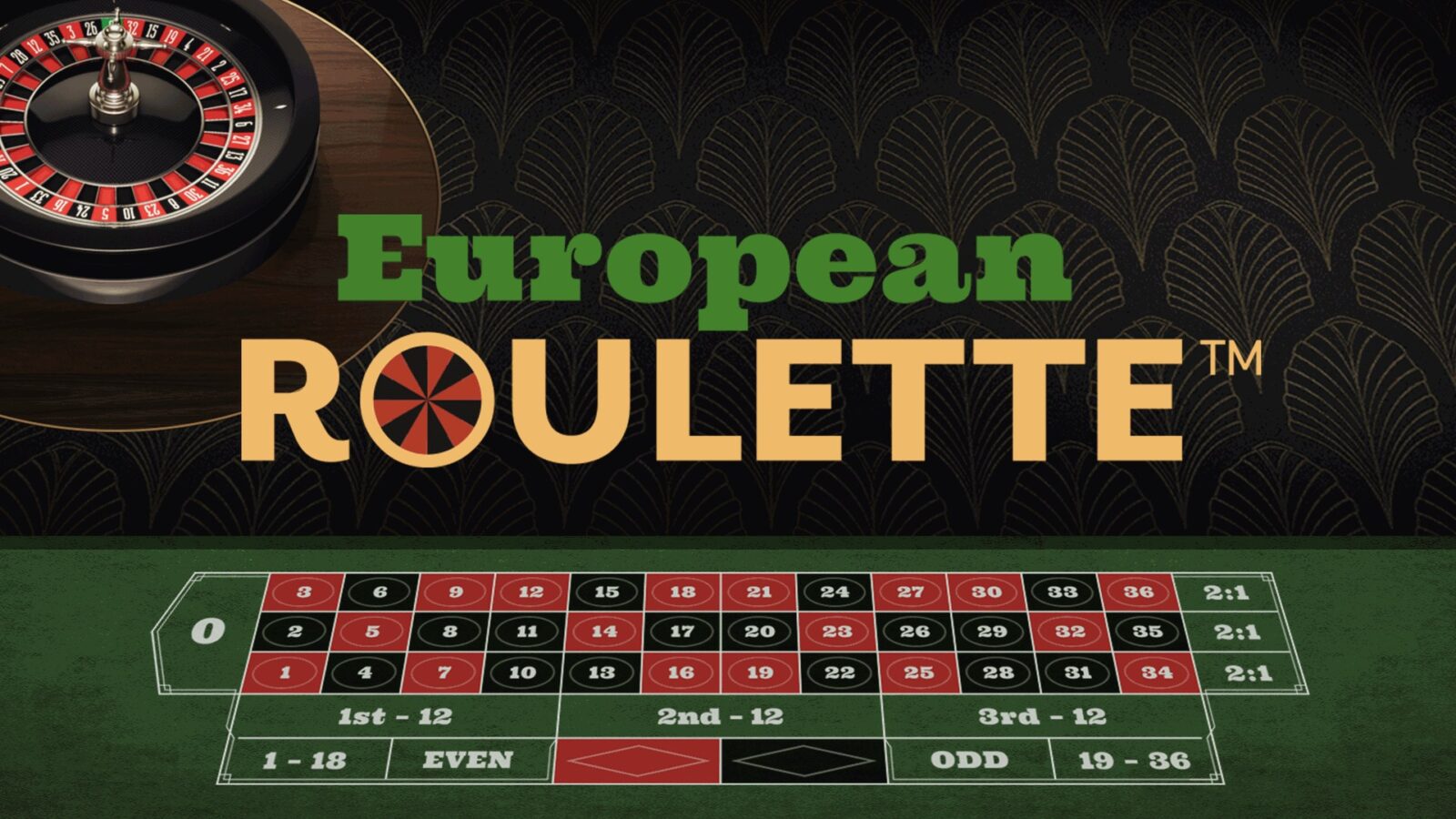
- Blackjack & Roulette (European): These provided me with the longest sessions and the steadiest, gradual results. They’re ideal for controlled entertainment.
- Medium-Volatility Video Slots: This group struck the optimal balance. Bonus features activated consistently enough, and payouts were reasonable, which aided my bankroll keep stable.
- High-Volatility Progressive Slots: They delivered my greatest single win and my biggest losing streaks. You need a special “fun budget” for these.
- Live Dealer Games: Engaging but quick. They necessitated the most stringent time limits to keep my budget from evaporating.
Monthly Breakdown: Wins, Losses, and Crucial Trends
The story the numbers showed was less straightforward than just profit or loss. Month One was cautious and remarkably lucky. Beginning with my $500 and the bonus funds, I tried low-variance slots and some table games. Out of nowhere, a session on a popular progressive slot hit for $230. My balance finished the month at $891. That “beginner’s luck” left a real psychological mark. Month Two was the crash. Feeling confident from the early win, I raised my bet sizes up and played more high-volatility games. The result was a brutal series of fast losses. It erased all my profits and consumed the original $500. I ended the month at $412. This period taught me how the illusion of “house money” works, and how variance can reverse your fortune overnight. Month Three was a return to discipline. I returned to small bets, concentrated on games with higher published RTPs, and adhered to the timer. Things steadied. I had small, frequent losses with modest wins in between. The slow climb raised my final balance to $537. So after three months, I was up a net $37 from my first deposit. But that minimal profit resulted after cycling hundreds of dollars through the machine.
The Mental and Habitual Traits Revealed
The stats were one thing, but the recorded behaviors were more telling. Forcing myself to document each play session created a pause for thought. It broke the trance-like, habitual state that can cause issues. I recognized my cues clearly. Gaming when fatigued or right after a difficult workday nearly always resulted in increased duration and higher stakes. I was subconsciously trying to force a win to improve my state. On the other hand, sessions I reserved for a weekend night, treating them as deliberate entertainment, were more fun and I followed my limits. The logs showed the impact of the ‘close call’ in slots. Seeing two bonus symbols line up would trigger a few extra spins, which commonly caused me to ignore my time rule. Another major surprise was how warped my sense of time became. A session that felt short was often a full 90 minutes on the timer. That distortion highlights why an external reminder is vital. For players in Canada, where legal and convenient, these internal and external aspects are your real guardrails.
Practical Takeaways for Canada’s Players
After 3 months of tracking, I have specific advice for any player in Canada. First, your most effective tool is a session log. Just writing down your start time, end time, game, and result creates accountability. It reveals you patterns you’re blind to in the moment. Second, your bankroll must be a separate fund. Let its size determine your bet size. My data shows that kicking off with bets at 1-2% of your session budget (like $1 spins on a $100 budget) makes your money go further and your time more entertaining. Third, link your game choice to your goal. If you want fun with minimal loss, pick low-house-edge table games or low-volatility slots. If you’re getting a lottery ticket for a big win, set aside a small, separate fund for high-volatility games and plan to lose it. Finally, read every bonus offer like a contract. Figure out the real wagering cost based on the games you like. Never let the bonus pressure you into playing longer or betting higher than your own rules allow. The data is clear. Steady, controlled play based on self-awareness is the only strategy that works for sustainable entertainment online.
